Research
Investigating species boundaries, distributions and evolutionary relationships across a poorly known fauna
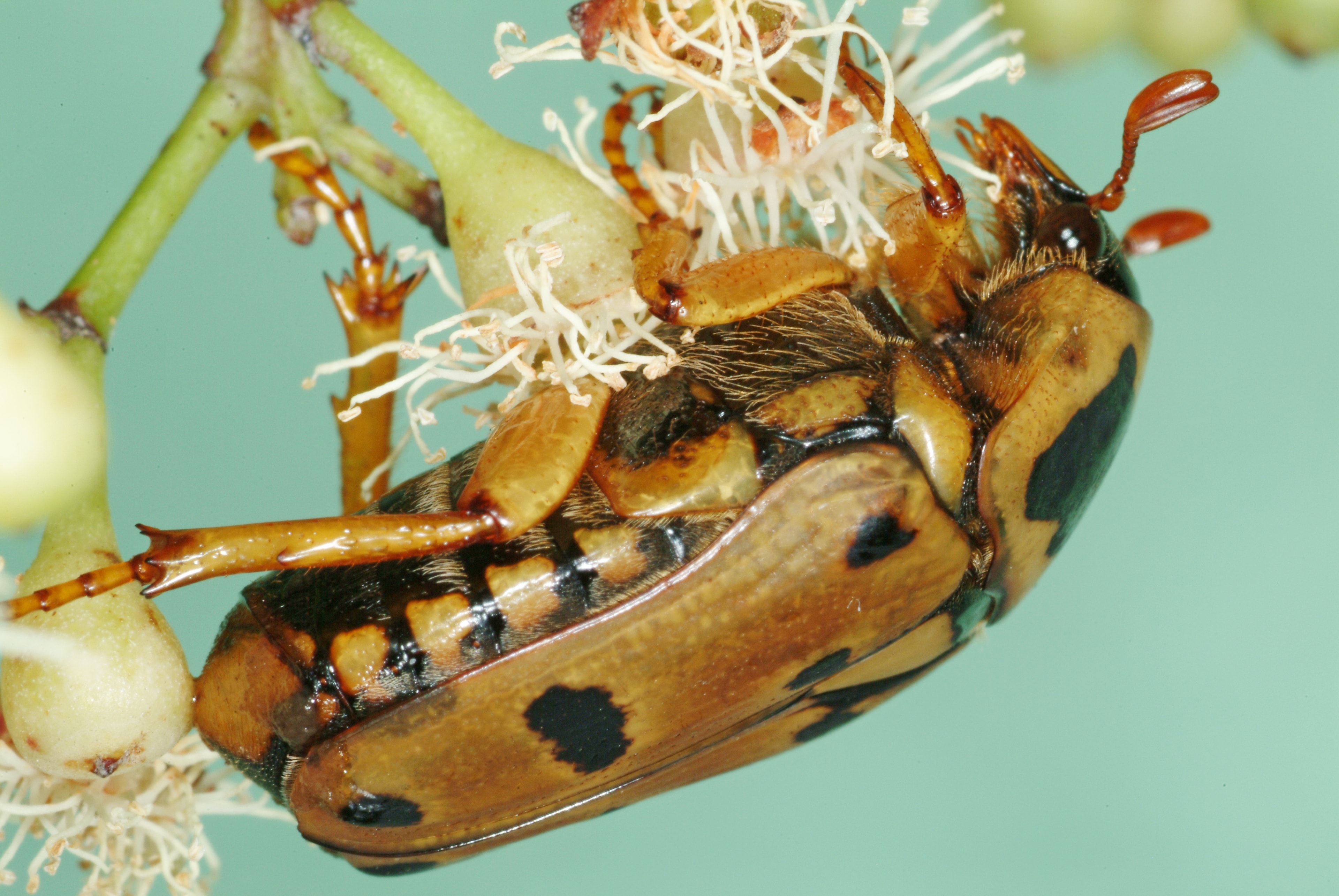
The research program focuses on the taxonomy, systematics, and biogeography of Australian flower beetles. Active work addresses species boundaries, generic limits, and distributional patterns across the Australian fauna, with particular emphasis on uncommon and poorly known lineages.
Molecular methods are central to the program. Ongoing work uses COI barcoding, 28S D2 and CAD markers to investigate species boundaries and phylogenetic relationships within the Australian Cetoniinae. Because older museum material frequently fails to yield usable DNA, freshly collected vouchers are particularly important for species delimitation and phylogenetic work. Field collecting has been conducted across Australia since 2008, targeting taxonomically and distributionally significant material, including rarely collected species and poorly surveyed regions.
Morphological study, high-resolution imaging, and molecular analysis are carried out in conjunction, with the AFBRC serving as the primary research resource. Improving knowledge of the diversity, taxonomy, and distribution of Australia's flower beetles remains a central objective, alongside the formal description of the substantial backlog of undescribed species within the collection.
Active collecting permits cover Queensland, New South Wales, Victoria, and the Northern Territory.
Curator
Chris Moeseneder
Chris Moeseneder, an independent researcher and Research Associate of the Australian Museum, maintains the AFBRC. His work specialises in the taxonomy and systematics of Australian flower beetles (Coleoptera: Scarabaeidae: Cetoniinae).